Game Overview
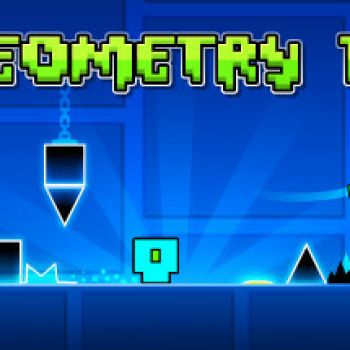
Geometry Dash is a rhythm based platformer that challenges players to navigate a series of fast paced obstacles. The visual style is bright and geometric, with each level built from simple shapes that move in time with the music. The game is known for its demanding timing and precise jumps, making it a favorite among players who enjoy a test of reflexes and concentration.
What Players Can Expect
The core experience revolves around moving a small square through a continuously scrolling environment. The square automatically moves forward, and the player must trigger jumps to avoid spikes, gaps, and moving blocks. The timing of each jump is directly linked to the beat of the background track, creating a satisfying sync between sound and action.
Levels are designed with a clear visual language. Different colors and patterns indicate the type of obstacle that is approaching. This visual cue system helps players anticipate the next challenge and adjust their timing accordingly. The difficulty ramps up gradually, allowing newcomers to learn the rhythm before facing more complex sections.
Practical Tips for New Players
Focus on the Beat
Listening to the music is essential. Each level’s soundtrack provides a rhythm that matches the placement of obstacles. By tapping the screen or pressing the appropriate input in time with the beat, jumps become more natural. Players who ignore the music often find themselves missing jumps that would otherwise feel intuitive.
Practice in Small Segments
The game does not require memorisation of an entire level before attempting it. Instead, break the level into short sections and practice each one repeatedly. After mastering a segment, move on to the next. This approach reduces frustration and builds confidence as the player progresses.
Maintain a Calm Mindset
Because the game reacts instantly to each input, a calm mindset improves reaction speed. Take a deep breath before starting a new attempt and keep the focus on the visual cues. Rushing or becoming anxious often leads to premature jumps and missed obstacles.
Use the Reset Feature Wisely
When a mistake is made, the level restarts from the beginning. Use this reset as an opportunity to analyse the point of failure. Identify whether the error was due to mistimed input or a misread visual cue, and adjust the approach for the next run.
Replay Value and Community Appeal
Geometry Dash offers a high replay value because each level can be approached with different strategies. Some players aim for perfect runs without any mistakes, while others enjoy experimenting with alternative timing patterns. The community often shares custom levels that introduce fresh challenges, extending the life of the game beyond the original content.
The competitive aspect of achieving high scores and completing levels without errors creates a vibrant online discussion. Players compare their progress, share tips, and celebrate milestones. This social element adds depth to a game that is otherwise a solo experience.
Frequently Asked Questions
Is Geometry Dash suitable for beginners?
Yes, the game includes simple early levels that teach the basic timing mechanics. New players can start with these introductory stages and gradually move to more demanding sections as their skill improves.
Can the game be played on multiple devices?
The game is available on a variety of platforms, allowing players to enjoy the experience on computers, tablets, and smartphones. The control scheme adapts to each device, ensuring a consistent feel across all versions.
How does the difficulty progress?
Difficulty increases in a step by step manner. Each new level introduces additional obstacle types or faster tempos, requiring the player to refine their timing and reaction speed.
Are there any hidden secrets or easter eggs?
Players often discover hidden visual elements or subtle variations in the music that are not immediately obvious. Exploring each level thoroughly can reveal these small surprises, adding an extra layer of enjoyment.
What is the best way to improve my performance?
Consistent practice combined with focused listening to the soundtrack yields the best results. Breaking levels into manageable parts, staying calm, and analysing mistakes after each attempt are proven methods for steady improvement.